22 Jan

Which Fruit Has The Most Riboflavin (Vitamin B2)?

The importance of having a balanced diet continues to make headlines in medical journals. A diet that provides all of the nutritional daily needs should include fruits, vegetables and low-fat proteins that supply a full spectrum of vitamins including the vital riboflavin vitamin B2. This important nutritional element helps prevent disorders related to the skin and eyes and reduces the risk of hair loss, lesions and inflammation. Riboflavin is a key factor in regulating metabolism and can affect a person’s energy level and their ability to concentrate. Including vitamin B2 in the diet by consuming natural foods is an important part of ensuring a healthy daily nutrition routine.

Benefits of Riboflavin Vitamin B2

One of the main benefits of riboflavin, or vitamin B2, includes the ability of this element to convert carbohydrates to sugars which provide energy for our daily activities. When the vitamin is absorbed, it helps form healthy red blood cells that continually nourish the body. The immune system is also enhanced by protecting against free-radical damage. Both children and adults need to maintain the minimum daily requirement of vitamin B2 to ensure overall good health.

Other benefits found from riboflavin include improved skin and hair texture. Eating foods rich in riboflavin helps prevent cataracts and acts as an anti-aging medium.

Health Risks from Deficiencies from Riboflavin Vitamin B2

Having an insufficient supply of riboflavin can lead to disorders that range from mild to severe. People under stress are often affected by the lack of vitamin B2 and may have difficulty sleeping or experience a lack of energy. During pregnancy, sufficient amounts of vitamin B2 helps prevent damage to the unborn fetus. Skin lesions are another symptom from riboflavin deficiencies as is hair loss. Migraine headache sufferers may have a riboflavin deficiency that is correctable by changing dietary habits.

Durian health benefits

Top Fruits For Riboflavin (Vitamin B2) Content

The amounts of Riboflavin (Vitamin B2) are given for 100g of each fruit.

1 Durian 0,20 mg
2 Cranberry 0,20 mg
3 Pumpkin 0,10 mg
4 Lychee 0,10 mg
5 Redcurrant 0,10 mg
6 Grape 0,10 mg
7 Mulberry 0,10 mg
8 Elderberry 0,10 mg
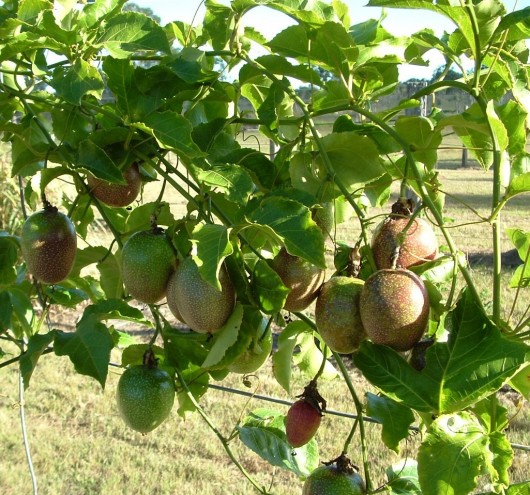
9 Passion Fruit 0,10 mg
10 Mango 0,10 mg
11 Blackcurrant 0,10 mg
12 Mangosteen 0,10 mg
13 Pomegranate 0,10 mg
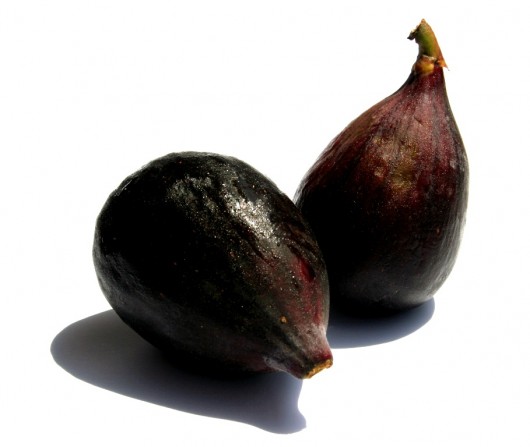
14 Fig 0,10 mg
15 Banana 0,07 mg
16 Jackfruit 0,06 mg
17 Tangerine 0,04 mg
18 Grapefruit 0,03 mg
19 Cucumber 0,03 mg
20 Melon (Cantaloupe) 0,03 mg
21 Kiwi 0,03 mg
22 Lemon 0,02 mg
23 Pineapple 0,02 mg
24 Blueberry 0,00
25 Plum 0,00
26 Watermelon 0,00
27 Cherry (sweet) 0,00
28 Papaya 0,00
29 Peach 0,00
30 Strawberry 0,00
31 Orange 0,00
32 Apple 0,00
33 Pear 0,00
34 Lime 0,00
35 Gooseberry 0,00
36 Raspberry 0,00
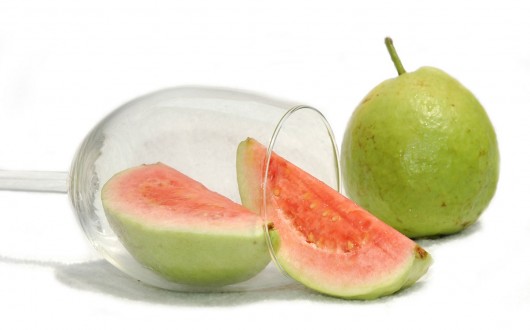
37 Guava 0,00
38 Blackberry 0,00
39 Carrot 0,00
40 Tomato 0,00
41 Apricot 0,00
22 Jan

Which Fruit Has The Most Phytonutrients?

Phytonutrients play a part in everything from good eyesight to preventing cancer. They are an important part of good health. You can protect and improve your well-being by understanding what phytonutrients are and what they do to help us.

What are Phytonutrients?

Phytonutrients are organic components found in plants. Some good sources are fruits, vegetables, nuts and teas. There are a lot of different classes of phytonutrients including lignans, saponins and phenols. The ones most people are familiar with are carotenoids and flavonoids. Each class of phytonutrients offers different health benefits and has different plant sources they can be found in, so it is possible to eat a wide variety of them.

The Effects of Phytonutrients in Our Bodies

There is evidence that phytonutrients found in fruits and vegetables can protect us from some forms of cancer and macular degeneration. They may work as antioxidants and destroy free radicals. Phytonutrients enhance cell communication and immune responses. They may also destroy cancer cells and repair DNA damage caused by exposure to smoke and other toxins. It is possible they can activate some of our enzyme systems and detoxify carcinogens as well.

Studies have shown that consuming fruits, teas, grains and vegetables with high levels of phytonutrients decreases the risk of strokes and prostate cancer. With heart disease, not only is the risk significantly lower from eating phytotnutrient-rich foods, so is the mortality rate associated with it. Other benefits include lowering cholesterol levels, protecting lung tissue and blocking tumor growth. Research suggests that even making small but consistent increases in the amount of phytonutrients we eat can make a difference in health. Overuse may trigger an allergic reaction in some people or have a mild effect such as a change in skin tone from beta carotene, but overall they are considered safe.

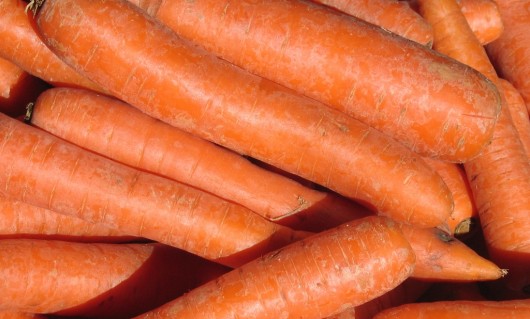
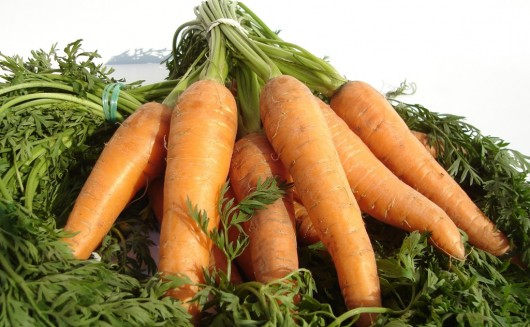
Carrots

Top Fruits For Phytonutrients Content

The amounts of Phytonutrients are given for 100g of each fruit.

1 Carrot 11.968,00 mcg
2 Pumpkin 7.260,00 mcg
3 Guava 5.578,00 mcg
4 Watermelon 4.921,00 mcg
5 Tomato 3.246,00 mcg
6 Grapefruit 2.178,00 mcg
7 Melon (Cantaloupe) 2.047,00 mcg
8 Apricot 1.306,00 mcg
9 Papaya 1.112,00 mcg
10 Tangerine 801,00 mcg
11 Passion Fruit 784,00 mcg
12 Mango 473,00 mcg
13 Orange 327,00 mcg
14 Peach 320,00 mcg
15 Plum 298,00 mcg
16 Blackberry 246,00 mcg
17 Jackfruit 223,00 mcg
18 Kiwi 209,00 mcg
19 Raspberry 164,00 mcg
20 Mulberry 157,00 mcg
21 Cranberry 127,00 mcg
22 Cherry (sweet) 123,00 mcg
23 Blueberry 112,00 mcg
24 Grape 112,00 mcg
25 Cucumber 94,00 mcg
26 Fig 94,00 mcg
27 Banana 73,00 mcg
28 Apple 67,00 mcg
29 Pear 59,00 mcg
30 Pineapple 35,00 mcg
31 Lemon 35,00 mcg
32 Strawberry 33,00 mcg
33 Durian 29,00 mcg
34 Mangosteen 26,00 mcg
35 Lychee 0,00
36 Pomegranate 0,00
37 Redcurrant 0,00
38 Elderberry 0,00
39 Lime 0,00
40 Gooseberry 0,00
41 Blackcurrant 0,00

21 Jan

Which Fruit Has The Most Pantothenic Acid (Vitamin B5)?

What Is Pantothenic Acid?

Pantothenic Acid is a water-soluble vitamin that we do not synthesize in our own bodies. Panothenic acid, also called Vitamin B5, must be obtained from dietary sources. Pantothenic acid is chemically an amide, a specific type of nitrogen-containing chemical. It is important for the synthesis of biologically active compounds in the body.

The most important role of panthothenic acid is in the synthesis of a chemical called coenzyme A, or CoA. Coenzyme A is a chemical that is involved in multiple important metabolic pathways, including fatty acid oxidation and the citric acid cycle. The citric acid cycle, also called the Krebs cycle or the tricarboxylic acid cycle, is a metabolic pathway that is used to generate energy in all aerobic (oxygen-using) organisms.

Pantothenic Acid (Vitamin B5) In Our Body

The name “pantothenic acid” refers to the chemical’s presence in a wide range of sources. A deficiency of Vitamin B5 is extremely rare due to the easy availability of the vitamin in almost all food sources. However, Vitamin B5 supplements are manufactured. The documented cases of pantothenic acid deficiency have mostly been in experimental settings and in victims of starvation. The main effects of such a deficiency include fatigue due to decreased energy, neuropathy, muscle cramps, abdominal pain and hypoglycemia. These symptoms are usually reversed when the person with the deficiency replaces the pantothenic acid in their diet.

A toxic dosage for pantothenic acid has not been determined. The vitamin is water-soluble, meaning that it is excreted in urine if there is an excess of the vitamin in the body.

Guava juice

Top Fruits For Pantothenic Acid (Vitamin B5) Content

The amounts of Pantothenic Acid (Vitamin B5) are given for 100g of each fruit.

1 Guava 0,50 mg
2 Blackcurrant 0,40 mg
3 Carrot 0,40 mg
4 Pomegranate 0,40 mg
5 Banana 0,33 mg
6 Pumpkin 0,30 mg
7 Orange 0,30 mg
8 Grapefruit 0,30 mg
9 Gooseberry 0,30 mg
10 Raspberry 0,30 mg
11 Blackberry 0,30 mg
12 Cranberry 0,30 mg
13 Fig 0,30 mg
14 Cucumber 0,27 mg
15 Watermelon 0,22 mg
16 Kiwi 0,20 mg
17 Cherry (sweet) 0,20 mg
18 Papaya 0,20 mg
19 Peach 0,20 mg
20 Lime 0,20 mg
21 Mango 0,20 mg
22 Tangerine 0,20 mg
23 Durian 0,20 mg
24 Tomato 0,20 mg
25 Apricot 0,20 mg
26 Lemon 0,19 mg
27 Strawberry 0,13 mg
28 Blueberry 0,10 mg
29 Plum 0,10 mg
30 Pineapple 0,10 mg
31 Redcurrant 0,10 mg
32 Apple 0,10 mg
33 Melon (Cantaloupe) 0,10 mg
34 Elderberry 0,10 mg
35 Pear 0,10 mg
36 Lychee 0,00
37 Jackfruit 0,00
38 Grape 0,00
39 Mulberry 0,00
40 Passion Fruit 0,00
41 Mangosteen 0,00

20 Jan

Which Fruit Has The Most Niacin (Vitamin B3)?

One of the most important nutrients for the body is Niacine. For proper nutrition, a daily intake of niacin is recommended. The recommended dosage will vary according to age. For pregnant women or those who are breast-feeding, recommended dosage is eighteen milligrams a day. Adult men should get sixteen milligrams per day, the daily requirement for adult women is fourteen milligrams, and the required dosage for children is between two, and twelve milligrams each day.

What Is Niacin (Vitamin B3)?

Niacin, which is a B Vitamin, is also known as nicotinic acid. This organic compound is a natural substance found in plants, and is widely used as a nutritional supplement. It is water soluble and easy for the body to digest. Generally recognized as Vitamin B3, niacin is found in a wide range of foods like sun-dried tomatoes, bacon, peanuts, tuna, liver, wheat bran, rice bran, and chicken. Niacin is also found in yeast extract and paprika. One teaspoon of paprika supplies five percent of the Recommended Daily Allowance (RDA) for niacin.

How Niacin Helps The Body

Niacin is needed to help the body process fat. It has been used to regulate levels of blood sugar, and lower cholesterol. A deficiency in niacin can lead to a number of health related problems such as depression, anxiety, and fatigue. In cases of severe niacin deficiencies, patients can suffer from a disease known as pellagra. This is a serious vitamin deficiency disease that is accompanied by dementia, dermatitis, diarrhea, and death if left untreated. Pellagra is often found in patients who suffer from long-term alcoholism.

While niacin tablets are a commonly used supplement, those who are interested should consult their doctor or health care provider. Follow the pharmacy or label directions, and only take the daily allowance that has been prescribed by your doctor.

Top Fruits For Niacine Content

The amounts of Niacine are given for 100g of each fruit.

1 Passion Fruit 1,50 mg
2 Guava 1,10 mg
3 Durian 1,10 mg
4 Jackfruit 0,92 mg
5 Peach 0,80 mg
6 Melon (Cantaloupe) 0,70 mg
7 Banana 0,67 mg
8 Pumpkin 0,60 mg
9 Lychee 0,60 mg
10 Mulberry 0,60 mg
11 Mango 0,60 mg
12 Raspberry 0,60 mg
13 Blackberry 0,60 mg
14 Carrot 0,60 mg
15 Apricot 0,60 mg
16 Tomato 0,59 mg
17 Elderberry 0,50 mg
18 Blueberry 0,40 mg
19 Plum 0,40 mg
20 Strawberry 0,40 mg
21 Fig 0,40 mg
22 Tangerine 0,38 mg
23 Kiwi 0,34 mg
24 Papaya 0,30 mg
25 Orange 0,30 mg
26 Grape 0,30 mg
27 Gooseberry 0,30 mg
28 Blackcurrant 0,30 mg
29 Mangosteen 0,30 mg
30 Pomegranate 0,30 mg
31 Cherry (sweet) 0,20 mg
32 Pear 0,20 mg
33 Lime 0,20 mg
34 Cucumber 0,19 mg
35 Watermelon 0,18 mg
36 Pineapple 0,10 mg
37 Lemon 0,10 mg
38 Redcurrant 0,10 mg
39 Apple 0,10 mg
40 Cranberry 0,10 mg
41 Grapefruit 0,00

17 Jan

Which Fruit Has The Most Vitamin E?

What Is Vitamin E?

Contrary to popular belief, Vitamin E is not a single substance. In fact, it is a group of compounds that are fat-soluble and contain active antioxidants that protect the human body from free radicals that increase the risk of deadly diseases such as cancer and heart disease. It is found naturally in certain foods and added to others. In addition, Vitamin E is offered as a dietary supplement for those looking to lose weight. There are eight different forms of Vitamin E, each of which has its own function. Broken down from eight, there are four tocopherols and four tocotrienols; there is an alpha, beta, gamma and delta of each.

Of the eight different variations of Vitamin E, the only one that is actively maintained in the body of a human is alpha-tocopherol. In addition, alpha-tocopherol is the form of Vitamin E with the greatest nutritional value for humans. It is found primarily in sunflower, wheat germ and safflower oils. Each person has a daily recommended intake of Vitamin E; for adults over the age of 14 the recommended daily intake is 15 mg.

Too Much of a Good Thing? Vitamin E has Positive and Negative Health Effects

A Vitamin E deficiency may result in illness and disease such as neuropathy, retinopathy and even skeletal myopathy. Vitamin E deficiency most commonly has negative effects on the eyes and the nervous system. In addition, a deficiency of Vitamin D is also associated with higher risk of heart disease and certain forms of cancer.

While there are risks associated with not having enough Vitamin E, there are also risks from having too much; anyone that has more than 1000 mg of Vitamin E per day is at risk for bleeding problems, some associated with the brain. In short, Vitamin E is necessary to protect the body from disease, but taken in excess its nutritional value is replaced with dangerous bleeding conditions.

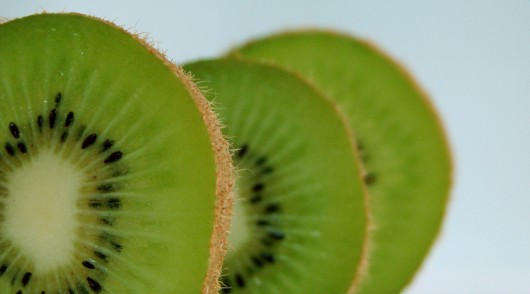
Health benefits of kiwi

Top Fruits For Vitamin E Content

The amounts of Vitamin E are given for 100g of each fruit.

1 Kiwi 1,50 mg
2 Blackberry 1,20 mg
3 Cranberry 1,20 mg
4 Pumpkin 1,10 mg
5 Mango 1,10 mg
6 Blackcurrant 1,10 mg
7 Mulberry 0,90 mg
8 Raspberry 0,90 mg
9 Apricot 0,90 mg
10 Papaya 0,70 mg
11 Peach 0,70 mg
12 Guava 0,70 mg
13 Blueberry 0,60 mg
14 Pomegranate 0,60 mg
15 Gooseberry 0,40 mg
16 Jackfruit 0,34 mg
17 Plum 0,30 mg
18 Strawberry 0,29 mg
19 Tomato 0,24 mg
20 Orange 0,20 mg
21 Apple 0,20 mg
22 Grape 0,20 mg
23 Lime 0,20 mg
24 Tangerine 0,20 mg
25 Lemon 0,15 mg
26 Grapefruit 0,13 mg
27 Banana 0,10 mg
28 Lychee 0,10 mg
29 Cherry (sweet) 0,10 mg
30 Redcurrant 0,10 mg
31 Melon (Cantaloupe) 0,10 mg
32 Pear 0,10 mg
33 Fig 0,10 mg
34 Watermelon 0,05 mg
35 Pineapple 0,00 mg
36 Elderberry 0,00 mg
37 Passion Fruit 0,00 mg
38 Mangosteen 0,00 mg
39 Cucumber 0,00 mg
40 Carrot 0,00 mg
41 Durian 0,00 mg

17 Jan

Which Fruit Has The Most Vitamin B6?

What is Vitamin B6?

Vitamins are substances required by your body in tiny amounts. Your body cannot make its own vitamins. They must be acquired from the diet. Vitamin B6 is a part of a larger group of vitamins known as Vitamin B compound. These vitamins are water soluble, so they dissolve easily in water. Your body cannot store water-soluble vitamins. Vitamin B6 must be acquired daily. Its scientific name is pyridoxine.

Vitamin B6 In Our Body

Vitamin B6 is involved in many body functions. It helps you metabolize macronutrients such as proteins, fats and carbohydrates. It helps convert carbohydrates into glucose for energy. It is necessary to synthesize neurotransmitters that control mood and assists with many functions of the immune system. It participates in keeping electrolytes balanced, promotes the production of red blood cells and helps to keep homocysteine levels low. It contributes to healthy hair, skin, eyesight and good liver function.

Vitamin B6 deficiency includes general weakness, nervousness and irritability. It is responsible for pre-menstrual problems like fluid retention, emotional outbursts and depression. It is essential for the body to make melatonin. Insomnia often results from not enough melatonin. Low levels of Vitamin B6 can also manifest in skin conditions, ridged fingernails and serious bone problems such as arthritis and osteoporosis. One of the most noticeable deficiency symptoms is a swollen or painful tongue.

Many people resort to taking vitamin and mineral supplements when they believe they may not be getting enough in their diet, but sometimes that can be dangerous. Too much Vitamin B6 can cause neurological problems. Numbness, tingling hands or feet, and trouble walking are signs that you may be getting too much Vitamin B6 as well as too little. It is always best to get the vitamins and minerals you need from whole foods.

Banana

Top Fruits For Vitamin B6 Content

The amounts of Vitamin B6 are given for 100g of each fruit.

1 Banana 0,37 mg
2 Durian 0,30 mg
3 Elderberry 0,20 mg
4 Kiwi 0,10 mg
5 Blueberry 0,10 mg
6 Pumpkin 0,10 mg
7 Lychee 0,10 mg
8 Jackfruit 0,10 mg
9 Pineapple 0,10 mg
10 Orange 0,10 mg
11 Lemon 0,10 mg
12 Redcurrant 0,10 mg
13 Grape 0,10 mg
14 Melon (Cantaloupe) 0,10 mg
15 Mulberry 0,10 mg
16 Grapefruit 0,10 mg
17 Passion Fruit 0,10 mg
18 Gooseberry 0,10 mg
19 Mango 0,10 mg
20 Tangerine 0,10 mg
21 Raspberry 0,10 mg
22 Guava 0,10 mg
23 Blackcurrant 0,10 mg
24 Carrot 0,10 mg
25 Apricot 0,10 mg
26 Pomegranate 0,10 mg
27 Fig 0,10 mg
28 Tomato 0,08 mg
29 Cranberry 0,06 mg
30 Watermelon 0,05 mg
31 Cucumber 0,04 mg
32 Plum 0,00 mg
33 Cherry (sweet) 0,00 mg
34 Papaya 0,00 mg
35 Peach 0,00 mg
36 Strawberry 0,00 mg
37 Apple 0,00 mg
38 Pear 0,00 mg
39 Lime 0,00 mg
40 Blackberry 0,00 mg
41 Mangosteen 0,00 mg

16 Jan

Which Fruit Has The Most Fat?

What is Fat?

With all the bad reputation that fats are getting in our times it might come to you as a surprise but fat is a nutrient that is important for our bodies to function normally. Fats are a substance that is found in animal tissue as well as in some plants and nuts. This nutrient is the key to a healthier body. We cannot live without fats in our diets. There are two types of fats, saturated and unsaturated fats. One is healthier than the other. The way each one interacts inside our body is what makes one good and one bad.

Fat In Our Body

Fat is important in our bodies to provide us with energy. Diets too low in fat can cause us not to have as much energy to get through the day. The fat we have in our diets helps our body absorb vitamins, and it helps prevent us from having a deficiency in these vitamins. The fat transports these nutrients to their proper place in our bodies. It helps insulate our bodies to the weather as well as protect our organs and bones from injury. With the proper amounts of fat in our diets, we will feel more satisfied between meals since the fat helps the food remain in our stomach longer. Our food will taste better with some fat added for flavor and texture.

When we partake of a diet that is too low in fat, we may see several things happen such as dry skin, hair loss and even a higher chance at infection. Fat is a valuable asset to our body’s hormones and to our immune functions. Too much fat is just as bad as too little. It can cause our blood vessels to clog, and then it affects our heart. Without the proper amounts of fat in our body, we may suffer from one or more of these conditions.

Durian health benefits

Top Fruits For Fat Content

The amounts of Fat are given for 100g of each fruit.

1 Durian 5,30 g
2 Pomegranate 1,20 g
3 Guava 0,90 g
4 Raspberry 0,70 g
5 Gooseberry 0,60 g
6 Mangosteen 0,60 g
7 Kiwi 0,50 g
8 Blueberry 0,50 g
9 Elderberry 0,50 g
10 Blackberry 0,50 g
11 Blackcurrant 0,50 g
12 Lychee 0,40 g
13 Grape 0,40 g
14 Mulberry 0,40 g
15 Apricot 0,40 g
16 Banana 0,33 g
17 Tangerine 0,31 g
18 Plum 0,30 g
19 Jackfruit 0,30 g
20 Peach 0,30 g
21 Strawberry 0,30 g
22 Lemon 0,30 g
23 Mango 0,30 g
24 Fig 0,30 g
25 Cherry (sweet) 0,20 g
26 Redcurrant 0,20 g
27 Apple 0,20 g
28 Melon (Cantaloupe) 0,20 g
29 Pear 0,20 g
30 Lime 0,20 g
31 Tomato 0,20 g
32 Watermelon 0,15 g
33 Cranberry 0,12 g
34 Cucumber 0,11 g
35 Pumpkin 0,10 g
36 Papaya 0,10 g
37 Pineapple 0,10 g
38 Orange 0,10 g
39 Grapefruit 0,10 g
40 Passion Fruit 0,10 g
41 Carrot 0,10 g


12 Jan

Which Fruit Has The Most Carotene-a (Alpha-Carotene)?

What is Carotene-a?

As a precursor to vitamin A, carotene is a necessary part of the diet. The most commonly talked about and studied is beta-carotene, because it readily converts to vitamin A in the body. Less well known is carotene-a, which is also known as alpha-carotene. All carotenes are pigments that allow more efficient photosynthesis in plants and protect against them against free radicals.

Carotene-a In Our Body And Why Is It Good For Our Health?

Since it only contains one retinyl group, versus beta-carotene’s two, conversion of carotene-a to vitamin A is only half as efficient. However, the benefits of this form are not limited to vitamin production. It is also a potent antioxidant, scavenging the by-products of metabolism and removes them from the body. It is also important in promoting communication between cells. Through both of these mechanisms, many researchers believe that alpha-carotene in the diet will reduce the risk of many types of cancer, autoimmune disorders, and yeast infections.

Carotene-a is a fat soluble micro-nutrient, meaning that it is stored in body fat and requires fat for proper absorption. Low-fat diets and certain conditions that inhibit fat absorption can prevent absorption of carotenes. Certain medicines used to treat high cholesterol and margarines containing plant sterols will inhibit absorption. No health consequences are linked to a deficiency in carotene-a, but it is found in most of the same foods containing beta-carotene. A lack of sufficient carotenes in general may lead to vitamin A deficiency. Lack of sufficient levels of vitamin A will depress the immune system and lead to blindness.

The Institute of Medicine has not found any toxicity issues associated with carotene-A or carotene intake in general. Vitamin A can be toxic in high amounts, but the body will not continue to manufacture it from carotenes when sufficient amounts are already present.

Carrots for carrot juice

Top Fruits For Carotene-a Content

The amounts of Vitamin A are given for 100g of each fruit.

1 Carrot 3427 mcg
2 Pumpkin 515 mcg
3 Tangerine 101 mcg
4 Tomato 101 mcg
5 Banana 25 mcg
6 Apricot 19 mcg
7 Mango 17 mcg
8 Raspberry 16 mcg
9 Mulberry 12 mcg
10 Orange 11 mcg
11 Durian 6 mcg
12 Kiwi 4 mcg
13 Cranberry 1 mcg
14 Lemon 1 mcg
15 Grape 1 mcg
16 Mangosteen 1 mcg
17 Cucumber 0 mcg
18 Blueberry 0 mcg
19 Plum 0 mcg
20 Watermelon 0 mcg
21 Lychee 0 mcg
22 Cherry (sweet) 0 mcg
23 Papaya 0 mcg
24 Jackfruit 0 mcg
25 Peach 0 mcg
26 Strawberry 0 mcg
27 Pineapple 0 mcg
28 Redcurrant 0 mcg
29 Apple 0 mcg
30 Melon (Cantaloupe) 0 mcg
31 Pear 0 mcg
32 Passion Fruit 0 mcg
33 Guava 0 mcg
34 Blackberry 0 mcg
35 Pomegranate 0 mcg
36 Fig 0 mcg
37 Elderberry 0 mcg
38 Grapefruit 0 mcg
39 Lime 0 mcg
40 Gooseberry 0 mcg
41 Blackcurrant 0 mcg


14 Dec

Health Benefits Of Fig Juice: Mother Nature’s Most Complete Nutrition Source

Figs are one of humankind’s most ancient food sources. They are a member of the mulberry family and originated in northern Asia Minor. Because people have been using the fig for so long, it’s possible that our body chemistries have co-adapted and attuned to the amazing variety of nutrients packed into these sweet and luscious fruits. That’s part of the reason that eating figs and drinking fig juice is one of the healthiest and best possible choices for providing our body with what it needs most.

Delivering the vitamin-mineral rich compound of the fig to your body by drinking it as a juice is an exceptional way to gain the nutrition load of this fruit. It’s also high in fiber, making it an excellent digestive regulator. Fig juice has a definite but gentle laxative effect.

Health benefits of fig juice

Calcium and Potassium Content

Fig juice is especially beneficial for women because it has significant calcium and potassium content which helps build bone density, and this reduces the amount of dairy products people need to take in to get the natural calcium. The more dairy one replaces with low-fat fruits juices, such as fig juice, the less fat and cholesterol one takes in while still getting calcium.

Fig Juice As A Mild Sleep Aid

Fig juice is one of the best possible beverages you can drink in the evening, or even right before bed. It contains tryptophan which is one of the 20 basic amino acids, but which is also well known to be a natural sleep inducer. Tryptophan has proven so effective in aiding sleep, the substance has been isolated and concentrated for use in sleeping pills.  But the good thing about getting tryptophan from fig juice is that you don’t get an unnaturally large dose as you do from pills. Rather, you get a gentle boost toward a restful night’s sleep. with no “sleeping pill hangover.”  Combine this with the fact that fig juice has a mild laxative effect, you’ll not only sleep better, but wake up ready to easier more natural bowel movements – you be rested and energized for an active day!

Health Benefits Of Fig Juice Are Also A Result Of An Array Of Amazing Acids

The essential nutritional acid content of fig juice is nothing short of amazing. It contains gallic acid, chlorogenic acid, sryingic acid, catechin, epicatechin and rutin. Gallic acid is well known to have antifungal and antiviral properties and has been shown to have cytoxicity against cancer cells. Chlorogenic acid is a powerful antioxidant and releases glucose into the blood stream, which also naturally balances insulin levels, making this excellent for diabetics. Rutin is an acid that is sometimes called Vitamin P, although it is not technically a vitamin. This has been shown to improve blood circulation, have anti-inflammatory effects and may be able to prevent varicose veins because of its mild blood thinning actions.

Fig Juice Is A Natural Body Builder

Keep in mind that figs and fig juice is very rich in carbohydrates and natural sugars. If you are on a low-carb diet, fig juice may load a few more carbs than you want. On the other hand, a serving of fig juice has 250 kcals of energy. Those who drink fig juice tend to experience an immediate energy boost, and thus are prompted to exercise more and burn off more calories. You’ll get more carbs, but you’ll burn them off faster. The high glucose content of fig juice helps fuel the muscles during a workout routine. That, combined with the three grams of protein you get from a serving of fig juice, makes it perhaps one of the best natural workout, muscle building and body building natural foods. Forget all of those artificially concocted muscle building energy drinks designed for body builders and athletes – fig juice is the real deal straight from Mother Nature!

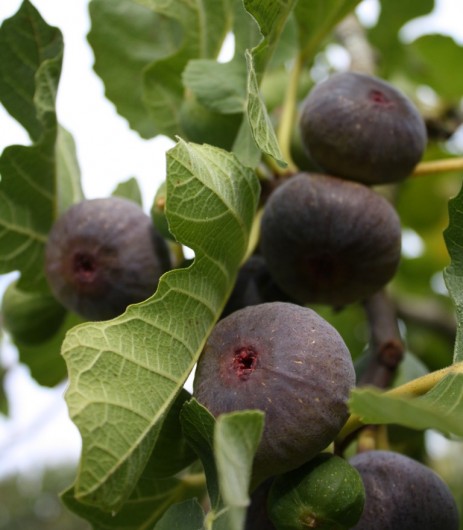
Figs for fig juice

A Host  Of Other Health Benefits Of Fig Juice

There are a variety of other benefits associated with fig juice. A short list is:

  • soother of bronchial passages,
  • reduces risk of breast cancer,
  • may be a complete cure for hemorrhoids,
  • natural regulator of blood pressure and more.

What Kind Of Fig Juice Should You Buy?

Because figs are natural to Mideast countries such as Turkey, India, Israel, and Arab countries, many people prefer to buy fig juice products imported from these sources. Strive to select only fig juice brands that are certified organic, and not produced with pesticides, herbicides and artificial fertilizers. You don’t want to counter the natural healthy ingredients of fig juice by possibly getting traces of harmful chemicals with your product.

Making Your Own Homemade Fig Juice

Remember that you may also want to try your hand at making your own fig juice using a juicer, food processor or a blender. It’s easy to do, and your homemade fig juice will be the freshest of the fresh, contain fiber-rich pulp and a truckload of nutritional energy. Just browse our site and look for some fig juice recipes the will help you get all the health benefits of fig juice.

12 Dec

11 Health Benefits Of Gooseberry Juice: Heart, Anti Ageing, Diabetes And More

If you have not yet tasted gooseberry juice, you are missing out on quite a few benefits that it can have for your health. Here are the most important and well known health benefits of gooseberry juice:

Gooseberry Juice Strengthens the body’s infection-fighting abilities

Gooseberry contains antibacterial properties, which help in strengthening the body’s defense against infections. Combined with additional astringent properties, it improves the body’s resistance to disease and infection. Taking fresh gooseberry juice regularly can help you stay infection free and build your immunity.

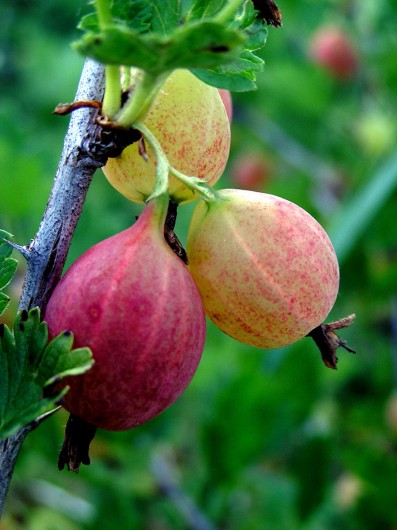
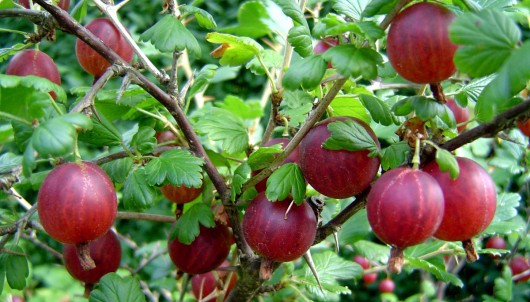
Gooseberries

Health for the heart

Gooseberry contains minerals and vitamins that help in strengthening the heart. The stronger the heart is, the better it pumps blood and without straining.

Anti-ageing properties Of Gooseberry Juice

Gooseberry juice contains a high amount of antioxidants, which help prevent oxidative stress. Oxidative stress is the primary cause of ageing and pre-mature ageing in hyperlipidaemia. In cases where you do not have any health-related cause of anti-ageing to worry about, taking gooseberry juice regularly can help your skin stay young too. This is because the antioxidants present in this juice fight off the substances released when you are stressed, thus slowing down the ageing process. Stress accelerates premature ageing in most cases.

Relief for diabetes

It contains chromium, a substance that helps stimulate cells responsible for releasing insulin. As a result, more insulin is produced in the body and blood sugar levels are lowered.

Vitamin C goodness

Gooseberry is one of the richest sources of Vitamin C. No many other fruits give as high a concentration of Vitamin C as gooseberry juice. Consuming this juice provides your body with most of the daily Vitamin C requirement. Among the most significant functions of vitamin C are immunity boosting, anti-oxidant functions and helping in the synthesis of collagen and norepinephrine.

Collagen is what the blood vessels, ligaments, tendons and bones rely on for healing, growth and strength.

Norepinephrine is a neurotransmitter used to enhance brain function and good mood.

Health benefits of gooseberry juice

Anti-oxidant benefits

Gooseberry juice has a high amount of the antioxidants Vitamin C and superoxide dismutase (SOD). Both help in the elimination of free radicals from the body, thus reducing their harmful effects. Free radicals are notorious for among others, causing different types of cancers.

Superoxide dismutase (SOD) is also known to help in the alleviation of health problems such as arthritis, corneal ulcers, prostrate complications and inflammatory bowel disease.

Polyphenols benefits

Gooseberry juice is rich in polyphenols, substances that contain a combination of anti-allergenic, anti-bacterial, anti-inflammatory and anti-oxidant properties. All these help in minimizing the risk of cancer, strengthening the immune system, lowering blood pressure and lowering cholesterol.

If you are already diagnosed with any of the aforementioned health conditions, you will notice a considerable amount of relief when you start drinking gooseberry juice regularly.

Anti-inflammatory properties

Gooseberry juice naturally acts as an anti-inflammatory agent and helps soothe and heal wounds. These anti-inflammatory properties are also very useful when it comes to protecting your digestive tract.

Health Benefits Of Gooseberry Juice And Digestion

Gooseberry juice provides relief for hyperchlorhydia and gastric syndrome. Its laxative properties also help in the relief of diarrhea and dysentery.

Eyesight

Gooseberry juice helps improve near-sightedness, cataract and intraocular tension. Taking this juice will help improve overall eyesight for you.

Hair

Take gooseberry juice to improve hair growth, strength and color. Gooseberry is used in a lot of hair-products for these same reasons.

These were the most well known health benefits of gooseberry juice.