Durian Juice
Durian, “The King of Fruits”
Durian is a tropical fruit under the Plant family, Malvaceae and genus Durio. Durian, actually has a complicated taxonomy, the reason why sometimes people misidentify durian as other fruits like Annona muricata or soursop. Such fruits have some similarities to durian.
Durian is widely known for its penetrating aroma, a smell that would spread long distance even without removing its outer shell. Durian’s outer shell is thorny and hard while its flesh is soft, succulent and delicious. It is one of the aromatic fruits distinguished by people through smelling it and even without looking at it. Some people love its aroma while others hate it. The flesh of durian has a very distinct flavor, making it an ideal ingredient to different Southeast Asian cuisines. The seeds of durian are edible and have a nutty taste. They can be cooked and eaten like almonds.
Physical Characteristics of Durian
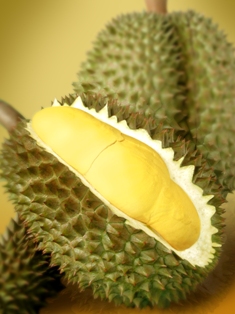 Some species of durian trees grow up to 50 meters in height. The fruit is large and measures up to 30 cm in length and 15 cm in diameter. It usually weighs one to four kilograms (2-7 lbs). It has a thorny, hard outer shell which is green to brown in color. The shape of the durian fruit varies from round to irregular oblong. The flesh of durian is usually creamy yellow to saffron in color, depending on species variety.
Habitats of Durian
People around the globe have known durian for such a long time. But durian’s homelands include several Southeast Asian countries including Philippines, Indonesia, Brunei and Malaysia. Durian is native to these tropical countries. However, western countries have also known the fruit for more than 6 centuries. Those living in the West who have traveled to Southeast Asia never failed to mention durian in several written manuscripts and books.
Thailand is one of the main countries that export durian to the international market. Sri Lanka, Cambodia, Laos, Vietnam, Myanmar, West Indies, India, Hawaii, Polynesian Islands, Madagascar, China, Singapore, Northern Australia, and Malaysia as well as some parts of America are also well known as habitats of the durian tree.
Season for Durian
Durian is a seasonal fruit . It would ripen during the months of June until August. Durian season is the same as other tropical fruits like mangosteen, jackfruit and mango.
Durian Juice
The juice of durian is traditionally used to help people with insomnia and depression due to its immense amount of antioxidants, vitamin C and tryptophan. It can also be used as a great body cleanser or detoxifying agent. Before juicing durian, make sure it’s fresh and ripe. Take note that it takes 2-4 days for the fruit to become fully ripe after it has fallen from the tree. Ripe durians are best for juicing though unripe ones taste good too.
Health Benefits of Durian Juice
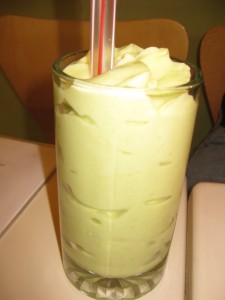 Durian juice is a good source of simple sugars and simple fats, making it an excellent energy booster. Durian fruit has been used as part of the treatment plan for underweight children due to its high fat content. Although it’s high in fat, it contains a very small amount unhealthy cholesterol.
- Because it’s very rich in dietary fiber which helps the colon to function optimally, durian juice acts as a natural laxative. It can reduce the exposure time and ability of cancer-causing chemicals found in our wastes to bind into our colon cells. Drinking durian juice on a regular basis reduces our risks in developing colon cancer.
- Drinking durian juice allows you to get 33% of recommended daily dose of vitamin C. Vitamin C is known as a potent antioxidant that will help boost your resistance against diseases and infections.
- Juice is also rich in B vitamins such as niacin, riboflavin, pantothenic acid, pyridoxine and thiamine. These vitamins are needed by the body and must be taken from external sources. These vitamins boost the functioning of your nervous system as well as other body systems.
- Durian is also considered“Nature’s sleeping pill” – it contains tryptophan, the substance converted by the body into serotonin and melatonin. These neurotransmitters play a significant role in regulating sleep and relaxation.
Durian Juice Recipe
When you’re sick of drinking regular everyday fruit juices, and you want to try a unique yet very delicious and nutritious fruit juice, grab some durian from the market and follow this quick recipe for a refreshing and invigorating summer drink.
Durian Juice Ingredients:
- durian, discard the stones
- 3 Tbsp of sweetened condensed milk
- 400ml of “half and half” crème
- 10 ice cubes
Instructions:
Prepare your regular blender by washing it before using. Place all the ingredients in the blender and blend it at high speed for 2-3 minutes. This will yield two tall glasses of durian juice. It is sort of like a refreshing durian shake. Enjoy!
Nutrition Facts of Durian
per 100 g
Energy: 147 KCAL
Carbohydrates: 27.09 g
Protein: 1.47 g
Total Fat: 5.33 g
Cholesterol:0mg
Dietary Fiber: 3.8 g
Vitamins
Folates: 36 mcg
Niacines: 1.074 mg
Pantothenic acid: 0.23 mg
Pyridoxine: 0.316 mg
Riboflavin: 0.200 mg
Thiamine: 0.374 mg
Vitamin A: 44 IU
Vitamin C: 19.7 mg
Minerals/Electrolytes
Sodium: 2mg
Potassium: 436 mg
Calcium: 6mg
Iron: 0.43 mg
Magnesium: 30 mg
Phosphorus: 39 mg
Zinc: 0.28 mg
Phytonutrients
Carotene- α: 6 mcg
Carotene- ß: 23 mcg
More Articles On Durian And Durian Juice
Best Durians For Durian Juice And How To Choose Them
Durians are a favorite for juicers because they’re high in …Durian Juice Side Effects – Can You Drink Too Much Of It?
Durian juice, which is extracted from durian fruit, has an …Durian Nutrition Facts
Durian Nutrition Facts Betaine 0 mg Calcium 6 mg Calories …Health Benefits of Durian Juice
In Chinese, the Durian is known as “Liu lian” (Mandarin …