The Delicate, Pulpy Peach Juice
Peaches
Peach is a Latin term given to this fruit by the Greeks in Persia, it literally means “Persian apple” due to its close physical resemblance to apples. This fruit is spherical with colors ranging from yellowish and orange to red. Peaches also have an unmistakably pleasant and delicate aroma with a whitish or yellowish flesh. Naturally grown peaches are incredibly delicate that they are easily bruised, they need a lot of care during transport that is why commercial varieties are made firmer. It has a single brown oval seed in its core.
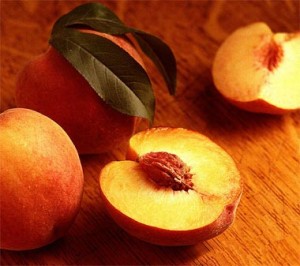 Historical accounts acknowledge the peach to have originated from Persia by their scientific name itself “Prunus persica”. But on the other hand this fragrant fruit was mentioned in Chinese writings centuries before it was discovered by the Greeks in Persia. Thus, China is the original birth place of peaches.
Peaches are famous because of its subtle yet delicious taste, the white-fleshed variety has exceptionally sweet flavor with a slight acidic tinge and the yellow-fleshed variety is a little more acidic than the other, but is still deliciously sweet. Peaches are commonly eaten raw and fresh, they can also be turned into a wonderful peach juice. Today, this fruit is commercially cultivated and used in many different ways – canned peaches for salads, boxed or bottled juice, jams, candies, perfumes, even peach flowers are sought for because of their pink beauty.
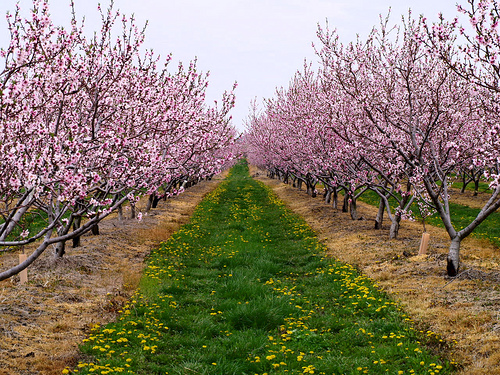
The breath-taking peach trees during spring
How To Choose Perfect Peaches for Your Peach Juice
If you’re planning on making the freshest peach juice, then imagine the typically deep orange-colored peached that you see on commercials and try to find peaches like that in your store. If you grow peaches in your backyard then you have a good head start because commercially developed peaches as most of other fruits are picked before they are fully ripened. A ripe peach with white flesh will be a perfect creamy gold while the yellow-fleshed one will be deep, rich yellow or orange when ripe.
Make sure you handle peaches with care because as already said – they are easily bruised. Store them in a dry place and if possible, never crowd them together.
Peach Health Benefits
The Chinese knew enough about peaches to recognize their value and benefits. They once had a saying, “longevity peach” which means that peaches extend your life. They also used them as medicinal herbs.
Peaches contain a significantly high amount of potassium which is probably the reason why Chinese considered this to prolong life. This essential mineral, if deficient, could cause you muscle weakness, fatigue, skin problems, poor memory, anxiety, cardiac arrhythmia, congestive heart failure, and high blood pressure.
Like any other fruit they also contain fibers that cleanse our digestive tract and eliminate harmful and unwanted materials from our body. They also contain Vitamin A in the form of beta-carotene, which is essential for various body processes. For instance – people are less likely to develop cataracts if this vitamin is constantly present in our system. Peaches also contain lycopene and lutein, both of which are good for our eyes and prevents cancers and heart diseases.
And of course, peach is also a source of Vitamin C. It has a good amount of this essential vitamin, but of course not as much as for instance oranges of kiwi. This antioxidant strengthens our immunity, solves many skin problems, and maintains the stability of our heart.
Peach is also just as good as spinach when it comes to iron content so maybe even Popeye could substitute his spinach for peaches.
Peach Nutritional Facts
(Per 100 g of peaches)
39 Calories
Carbohydrate: 9.9 g
Dietary Fiber: 1.5 g
Sugar (Fructose): 8.4 g
Total Fat: 0.3 g
Protein: 0.9 g
Vitamin A: 326 IU
Vitamin C: 6.6 mg
Vitamin E: 0.7 mg
Vitamin K: 2.6 mcg
Niacin: 0.8 mg
Folate: 4.0 mcg
Pantothenic Acid: 0.2 mg
Choline: 6.1 mg
Betaine: 0.3 mg
Calcium: 6 mg
Iron: 0.3 mg
Magnesium: 9.0 mg
Phosphorus: 20.0 mg
Potassium: 190 mg
Zinc: 0.2 mg
Copper: 0.1 mg
Manganese: 0.1 mg
Selenium: 0.1 mcg
Fluoride: 4.0 mcg
Water: 88.9 g
Invigorating Peach Juice Recipe
Ingredients:
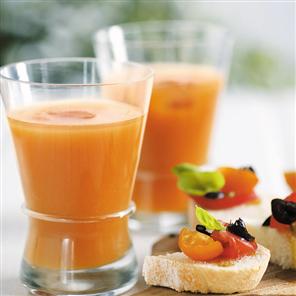
peach juice
- 6 yellow peaches
- ice cubes
- 150 ml of cold water
- 1 tablespoon lime juice
- 2 tablespoon white sugar
Directions:
- Slice the peaches in half, remove the seed, and scoop out its flesh into a blender.
- Pour the water, lime juice and white sugar into the blender with peaches. Mix thoroughly.
- Taste and add more sugar if you prefer.
- Refrigerate for 2 hours
- Drop ice cubes just before serving
- Enjoy this ice-cold peach drink!
More Articles On Peaches And Peach Juice
Best Peaches For Peach Juice And How To Choose Them
There are few things more refreshing on a hot summer …Peach Juice Side Effects
The most common peach juice side effects are the result …Peach Nutrition Facts
Peach Nutrition Facts Betaine 0,3 mg Calcium 6 mg Calories …Health Benefits of Peach Juice – Discover 5 Reasons Why Peach Juice is So Beneficial to Your Health
Are you interested in finding a healthy juice that tastes …