30 Sep

Benefits of Whole Food Vitamins

Whole food vitamins are one of the best supplement choices that an individual can make for their health because these vitamins are made from actual food and not from synthetically formulated chemicals manufactured in a lab. Recent studies have shown that supplements made from real food are more easily absorbed by the body and contributes greatly to the individuals overall nutrition. The continued depletion of our natural food supply has made natural vitamins not only an important addition to our lifestyles, but also a necessary addition to our modern lifestyles.

The Importance Of  Whole Food Vitamins

Whole food vitamins are important because they contribute not only natural vitamins, but they also contribute a number of other substances that are important to our health. These substances are found naturally in food and can’t be obtained through a daily multivitamin or any other supplement for that matter. One of these these important substances are a little thing called probiotics. While vitamins are very important to the proper health of an individual, probiotics are also necessary because they provide the “friendly bacteria” that our body needs in order to properly digest and assimilate the nutrients from food.

Another benefit of whole food vitamins is that they provide a full spectrum of nutrients to the consumer. Recent scientific research has clearly shown that the human body is not designed to absorb isolated vitamins and minerals. The human body is designed to absorb nutrients in full spectrum. Let me give you an example:

If a person eats an orange they are not only getting vitamin C, but they are also getting a full spectrum of other nutrients that allow the vitamin C to be properly absorbed. A person taking vitamin C by itself does not get the supporting nutrients that allow them to properly absorb this nutrient. The whole food vitamin does give the consumer the supporting spectrum of vitamins that are needed to properly absorb it.

Why Take Whole Food Vitamins, Why Not Just Eat Normal Food?

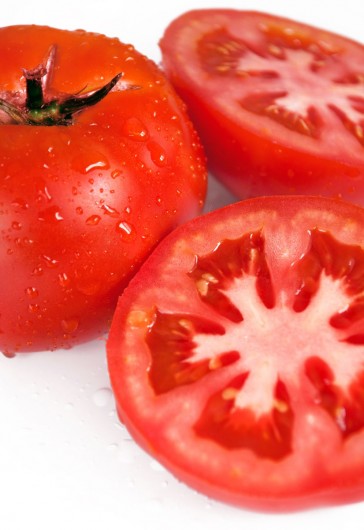
Tomatoes are a source of lycopene

Now I know that many of you may be asking why you shouldn’t just eat the right food and not bother with the whole food supplements (by the way – check out the definition of whole foods – what foods are considered as whole foods). While it is certainly preferable to get your nutritional needs met in this way, it is often not very practical. Once again, let me give you an example:

To get your daily dose of lycopene you would have to consume ten tomatoes each and every day. Even if you could do that, it wouldn’t be very practical would it? But what if those tomatoes were dried ground up and placed in pill form? It would certainly be easier and that is the premise behind whole food vitamins. They allow you to meet your nutritional needs without excessive calories or having to eat an enormous amount of food.

The Price – How Expensive Are They?

When people hear the words “whole food vitamins” or “organic vitamins” one of their initial concerns is that the product will be prohibitively expensive. Whole food vitamins are generally slightly more expensive than synthetic vitamins due to the manufacturing process takes longer to extract the essential nutrients from the food. But it is not prohibitively expensive and the consumer can rest assured that they are receiving a product that has higher purity standards and nutritional value than regular, over the counter vitamins.

In our hectic, fast paced society it is becoming quite clear that more and more people are turning to whole food vitamins to ensure that their nutritional needs are met and their health is protected against the various diseases that are caused by vitamin and mineral deficiencies.

30 Sep

Anti-Aging Through Nutrition and Fitness

As we get older, our energy begins to decrease and our vulnerability to illness increases. Our skin loses its elasticity, our heads lose hair, and our bodies gain fat, while we become more prone to arthritis, diabetes, memory loss, and cardiac problems. Aging is inevitable, but healthy food choices and exercise habits can help us extend our lives, and make us feel and look much younger.

This page is an entrance to the world of healthy foods that can and will help you stay younger, live healthier and longer life. It is the main anti ageing recipe that you should follow. Even though this website is dedicated to foods it is a whole lifestyle that brings the best results. So at the end there are also some pointer for what else can you do to slow down the ageing process.

After you read this page browse through other articles on this website that will give you more detailed insight into minerals, super green foods, superfoods, whole food vitamins, resveratrol, and other benefits of anti-ageing foods.

But first lets start with foods that you should include in your diet – vegetables and fruits…

VEGETABLES
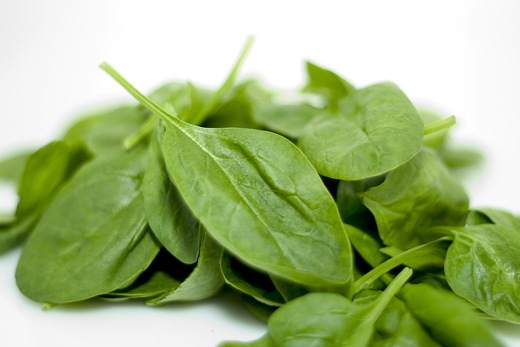
If you are looking for the fountain of youth, look no further than your vegetable garden. Spinach, corn, kale, broccoli, beets, onions, eggplant and red bell peppers score highest on the antioxidant scale. Antioxidants protect our bodies against oxidation, or cellular damage caused by free radicals. Antioxidants have shown to be effective in the prevention of retinal diseases such as macular degeneration. Genistein, a substance found soybeans, fava beans and alfalfa sprouts, has been shown to inhibit the production of certain enzymes that activate the cancer genes. Cooking vegetables destroys much of their vitamins, antioxidant power, and nutritional value. Most vegetables are more nutritious raw than cooked. (Tomatoes being the exception, cooking them makes it easier for our bodies to absorb their nutrients.) Shop organic whenever possible, and eat vegetables within a week of purchase.

FRUITS
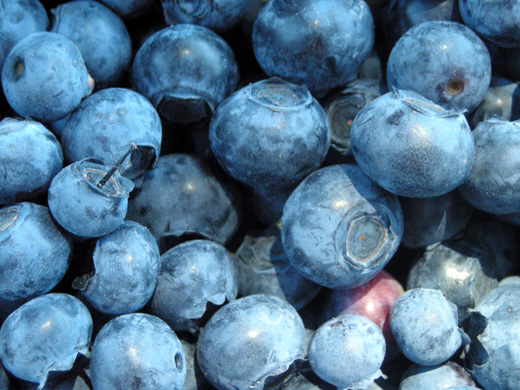
Getting the right enzymes and nutrients is vital for repairing the skin and stimulating cell turnover. As we grow older our bodies become depleted of their natural enzymes. Our cells gradually stop dividing and lose the ability to renew themselves, affecting every organ in our bodies, most noticeably, the skin. Fruits are loaded with vitamins, enzymes and antioxidants, which can help save our cells from aging prematurely.

Blueberries, blackberries, raspberries, strawberries, grapes and plums pack the most antioxidant punch for fruits. In addition, apples, pomegranates, strawberries, raspberries and grapes contain ellagic acid, a natural insect repellent, that has demonstrated the ability to hinder the development of tumors within the body. This is accomplished by its ability to reduce the enzymes in the body that are utilized by mutated cancer cells. Studies of the apple also indicated that the fruit stimulates the production of collagen, a necessary component in the skin for maintaining the smoothness and elasticity that is characteristic of a youthful appearance.

SUPPLEMENTS

For many of us, it can be difficult to maintain a wide variety of fruits and vegetables in our daily diets. Supplements, like vitamins C, D, A and E, or a good multivitamin can help fill in the nutrition gaps.

Vitamin C
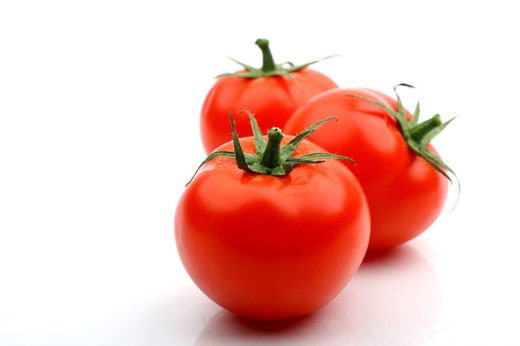
Tomatoes are a source of lycopene

One of the most commonly used supplements is vitamin C, found in oranges, kiwi, broccoli, tomatoes, papaya, and yellow and orange peppers. Vitamin C is an antioxidant essential for wound repair and tissue maintenance. Deficiency of Vitamin C leads to scurvy, depression, the formation of brown spots on the skin, and softened gums that can cause the teeth to fall out. Smokers who have diets low in vitamin C are at a higher risk of lung-borne illnesses than those who have higher levels of vitamin C in the blood. The recommended daily allowance for Vitamin C in adults is 75 – 90mg.

Vitamin D

Vitamin D is found in food sources such as fatty fish, eggs, and milk, and is also absorbed from exposure to sunlight thru the skin. New research on vitamin D appears to show an ability to prevent a myriad of cancers and other illnesses in people receiving significantly higher dosages than the common recommended daily allowance of 400IU. This new information has lead many researchers to believe that the majority of the population is deficient in Vitamin D, and they are not aware of it. Deficiency of Vitamin D can result in weak or misshapen bones, rickets, osteoporosis and osteomalacia. The best natural source of Vitamin D is the sun, but since the sun’s harmful UV rays can cause skin cancer and premature aging, supplementation is on the rise.

Vitamin A
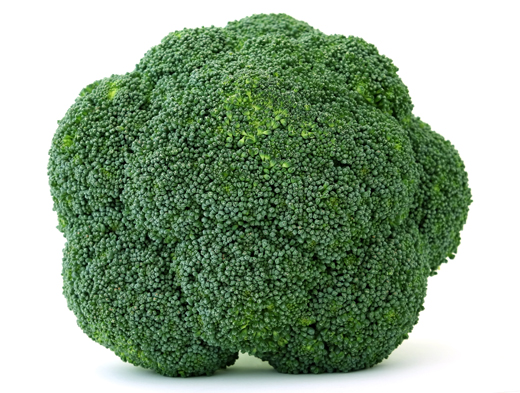
Vitamin A is essential to the function of the reproductive systems, brain development, immune function, skin health, antioxidant activity, bone metabolism, and vision. Broccoli, carrots, kale, pumpkin, collard greens, and sweet potatoes are the richest food sources for vitamin A. High doses of vitamin A (isotretinoin) have been successful in treating severe nodular acne that is resistant to other treatments, because of it’s ability to reduce the secretion of sebum and the size of the sebaceous glands. Deficiency of Vitamin A causes blindness, impaired immunity, hypokeratosis (white lumps at hair follicles), and keratosis pilaris, while excess vitamin A has been shown to cause birth defects, headaches, hair loss, severe dryness of the skin, jaundice, blurry vision, and mood changes. The recommended daily allowance of vitamin A for adults is 4000IU.

Vitamin E
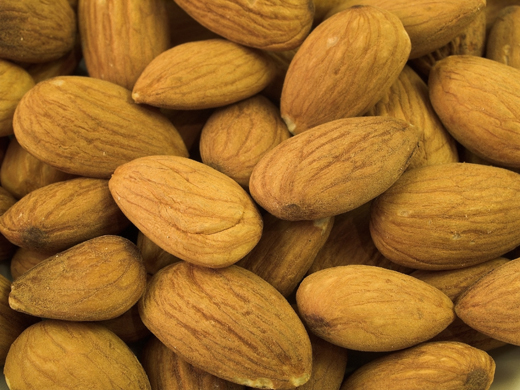
Vitamin E is a powerful antioxidant that is believed to significantly decrease oxidative stress and blood pressure, contribute to cardiovascular and prostate health, and boost immune response. Spinach, almonds, sunflower seeds and seed oils, collard greens, beets, tomatoes, pumpkin, sweet potatoes, and avocados are rich in Vitamin E. Vitamin E is commonly added to creams and lotions, as well as taken orally, to treat dry and aging skin. The recommended daily allowance of Vitamin E for adults is 400IU.

EXERCISE

Fitness is of utmost importance as we age. This doesn’t necessarily mean working out at the gym every day, but taking walks, cycling, dancing, and gardening are fun activities that help us stay healthy and mobile. A persistent sedentary lifestyle can lead to obesity, cardiovascular disease, osteoporosis, depression, high blood pressure, kidney stones, diabetes, and colon cancer. Maintaining muscular strength will improve posture, increase balance, and prevent the development of osteo- or rheumatoid arthritis and many other diseases linked to a lack of physical exercise.

FOODS AND SUBSTANCES TO AVOID

Fast foods and sodas are filled with empty calories that pack on weight, while providing little nutritional value to our diets. New research has also shown that a high-sugar diet deactivates our body’s natural antioxidant enzymes, leaving you more vulnerable to sun damage, and causing dull skin and wrinkles. Instead of drinking sugary sodas, try a nice antioxidant-packed green tea, sweetened with honey. Honey is a great natural sweetener that is high in vitamin C, niacin, riboflavin, and potassium and packed with amino acids.

Smoking has well known health risks, but did you know it causes accelerated aging second only to sun exposure? Smoking inhibits absorption of vitamin C and breaks down the supply of collagen to the skin’s structure. Smoking is also linked to early onset of menopause in women. Alcohol dehydrates the skin and inhibits the body’s ability to absorb calcium. Excessive consumption of alcohol can lead to liver problems, bone loss, weight gain and osteoporosis.

Junk food, alcohol, and other vices, like most things, should be enjoyed in moderation. Remember, it is far more difficult to reverse the signs of aging than it is to prevent it. Developing healthy food and exercise habits at a young age will help us look and feel younger, healthier, and happier well into our senior years.

03 Mar

Health Benefits of Tomato Juice

You may already have heard tomato juice described as a “super food” but you may not know exactly why it was placed in this healthy food category. The health benefits of tomato juice are numerous and range from cancer fighting properties to heart and bone health. One look at the list of vitamins and minerals can help you understand just how beneficial this juice can be for the human body. With vitamins C, A, K, E, B1, B2, B3, B5, B6 and the minerals potassium, magnesium, iron and phosphorus; along with protein, fiber and lycopene, it’s easy to see that tomato juice can be very beneficial for your overall health.

The Antioxidant Lycopene

Lycopene is a very unique antioxidant that is found to be abundant in tomato juice. It helps the human body rid itself of free radicals that damage your cells. Because of this ability to defend your cells, lycopene has been proven to help your body prevent nearly every type of cancer by flushing out carcinogens while also defending your body against atherosclerosis, heart disease, and even heart attacks. It is even believed by many scientists that this super antioxidant can help to prevent osteoporosis by encouraging bone health. Also, it has been shown that lycopene can reverse skin damage from ultraviolet light because of its strong antioxidant properties.

Health benefits of tomato juice

Lower Blood Pressure and Cholesterol

If you are one of the many people suffering from high blood pressure or an increase in LDL (bad) cholesterol, then you may want to start drinking more tomato juice. The good source of potassium you get in a cup of tomato juice helps regulate blood pressure. The fiber and vitamin B3 in this juice will help to lower bad cholesterol.

Prevent Heart Attacks and Stroke

Potassium also helps your heart (as well as the other muscles in your body) to function properly, which can prevent a heart attack. At the same time, there are compounds called platelet factors that help to prevent blood clots. This can also prevent heart attacks and even strokes. The vitamin B6 helps breakdown homocystene, a compound that damages your blood vessels, keeping your heart and major blood vessels healthy.

Increase Bone and Joint Health

I mentioned earlier about lycopene protecting bones and keeping them healthy. The Vitamin C in tomato juice also keeps bones and teeth healthy. There are many great antioxidants in tomatoes that help defend your bones against free radicals. A recent scientific study showed that taking tomatoes completely out of someone’s diet actually became detrimental to their bone density.

Tomato Juice Will Boost Your Immune System

Of course with the excellent source of vitamin C, you probably already realize tomatoes are good for your immune system. The antioxidants and vitamin A are also good for boosting your immune system. The B vitamins and amino acids also help your immune system because they are important for building those immune system cells. With a healthy immune system you are less likely to become ill and, if you do get sick, you will fight it off much more quickly.

Other Health Benefits Of Tomato Juice

Tomato juice has been shown to help prevent certain cases of Alzheimer’s disease possibly due to the rich source of antioxidants. Tomatoes also seem to help people manage their diabetes better and even reduce obesity. In animal studies, consuming tomato juice appears to prevent emphysema, probably because of the great source of antioxidants protecting the lungs. On top of these benefits the B vitamins in tomato juice can give you more energy, improve your memory and make you feel better overall.

Every day scientists are uncovering more health benefits of this super food and, although many more disease preventions are associated with the tomato, it is not yet understood how the preventive properties work. More research is being conducted to affirm and determine the true health potential of this amazing fruit. It is like a tasty wonder drug with no negative side effects.

17 Feb

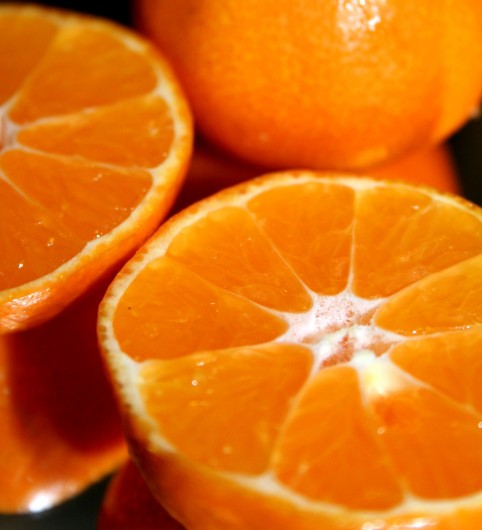
Health Benefits of Tangerine Juice

Aside from being sweet and flavorful, tangerine juice has many benefits for your health. In terms of nutritional value and disease-fighting properties, tangerine juice has several advantages over orange juice. From protecting you from diseases and cancer to keeping you fuller longer, this juice has a health benefit for nearly everyone.

Nutritional Value – The Source Of The Health Benefits Of Tangerine Juice

Tangerine juice has all of the tangy flavor of orange juice but with added nutrition. This juice is an excellent source of many antioxidants, such as hesperetin, xanthins, lutein, beta-carotene, and narigenin. Anti-oxidants eliminate free radicals that can cause cancer, as well as fight aging. The anti-oxidant beta cryptoxanthin may reduce inflammation from arthritis. Lutein protects the eyes and helps you keep your eyesight sharp. The flavenoid tangeretin is a powerful agent that has been shown in studies to prevent skin cancer and helps stop the spread of breast-cancer cells. The flavonoids tangeretin and nobiletin have blood thinning and anti-inflammatory properties, which may reduce your risk of heart attacks.

Tangerine

Additionally, tangerine juice is chock-full of vitamin C, which boosts your immunity. Consuming adequate amounts of vitamin C helps your body fight infections from the common cold to the flu. In addition to helping increase your immune function, vitamin C helps your body absorb iron, and helps boost wound healing.

Tangerine juice contains folic acid and potassium, and it is also an excellent source of both soluble and insoluble fiber, which promotes regularity. Being regular has been proven to reduce your risk for developing some forms of cancer, such as colon cancer. The fiber also helps prevent your body from absorbing cholesterol. Fiber whisks some of the cholesterol content from your food out of your system, which can lower your blood levels of LDL, or “bad” cholesterol.

One serving of tangerine juice provides 20-percent of the recommended daily allowance of vitamin A. This is 10-times as much vitamin A as orange juice. Vitamin A is instrumental in protecting your eyesight, promoting immune function and bone and tissue health. The vitamin A in tangerine juice may also stimulate cell growth and cell division.

Antiseptic Properties

Tangerines have natural germ-fighting properties. Tangerine juice may help your body defend itself against an infection from the staphylococcus aureus bacteria. Staphylococcus aureus is highly contagious and causes painful lesions and boils on the skin, particularly on the face or in other tender areas such as the groin or the armpits.

Tangerines

In addition to fighting harmful bacteria, the pectin in tangerine juice has been proven to help increase the number of beneficial bacteria in your intestines. These bacteria improve digestion and increases your body’s ability to defend against harmful bacteria which can cause inflammation and intestinal disorders. When harmful bacteria enter the gut, beneficial bacteria help usher the bad bacteria out of your system before they can cause an infection.

Diet Support

Tangerine juice is an excellent way to start your day if you are dieting. The fiber and carbohydrates in the juice help keep you feeling full, which will prevent over-indulgence later on. Additionally, the sweet finish of the tangerine flavor can help prevent the cravings for sugar that can derail a diet.

Health benefits of tangerine juice

Starting your day with tangerine juice is a tasty and healthy way to boost your immunity, bolster your digestive and tissue health and protect your body against the ravages of cancer. Tangerine juice is powerful enough to do all of those things, yet it is so tangy-sweet and flavorful that you will forget all about its many health benefits and simply enjoy the flavor.

16 Feb

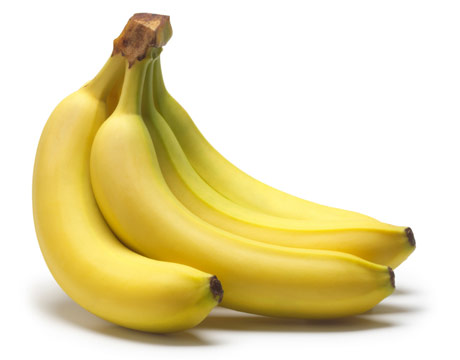
5 Health Benefits of Banana Juice

Whether you’re trying to lose weight or just have a healthier diet, banana juice has many health benefits that will get you to your goal. Bananas are often called a perfect food, and there are many reasons for that. Bananas are packed with vitamins and low in fat. While the health benefits of bananas could fill a list 20 pages long, here are five major health benefits to choosing banana juice the next time you’re thirsty.

Heart Health

Bananas are both high in potassium and low in salt, which makes them a power food for people concerned about heart disease or their blood pressure. Potassium is an important part of a healthy heart, and low levels have been linked to heart disease. Since most Americans aren’t getting their recommended daily amount of potassium, it puts them at risk for heart problems. One medium banana provides about 10% of the potassium you need in a day, so drinking banana juice a few times a day can help you hit your daily goal of 4 grams of potassium a day. In fact, the USDA feels so strongly about the connection between bananas and a healthy heart that they endorse bananas as a heart healthy food.

Bananas

Mood Elevation

There are a million causes of stress in your life, and it can leave you feeling sad or overwhelmed at times. Next time you feel this way, reach for a glass of banana juice. Bananas are a natural source of tryptophan, which helps the body produce serotonin. Serotonin calms you and even has a slight tranquilizing effect. Bananas also contain large amounts of vitamin B6, which regulates your mood and is an important vitamin to help your body convert tryptophan to serotonin. Since your body doesn’t make tryptophan on its own, it’s important to get it through your diet, and drinking a glass of banana juice is one of the most simple and delicious ways to do that.

Diet Assistance

The high fiber of bananas make banana juice a great choice for you if you’re trying to get more fiber in your diet, especially if you’re trying to reach a weight loss goal. One medium banana gives you 16% of the daily fiber you need. That’s around the same amount of fiber as is in a fiber supplement, without the chalky aftertaste. Fiber is an important part of a healthy diet, and helps you lose weight, since it keeps you feeling full longer. Banana juice can be an important part of your diet, whether you’re trying to get healthy or achieve a weight loss goal.

Health benefits of banana juice

Stomach Cure-All

Another benefit of fiber is helping regulate your digestive system. Whether you’re suffering from constipation, diarrhea or just indigestion, banana juice can help get you feeling back to normal. Mothers have long known the benefits of bananas for sufferers of the stomach flu, as a part of the BRAT (bananas, rice, applesauce and toast) diet. Bananas also help to regulate stomach acid, and can help with morning sickness, indigestion and even ulcers.

A Natural Energy Drink

Banana juice is a great source of natural sugars, which provide a quick pick me up, and the fiber content means a sustained energy boost. The protein in bananas helps your heart and muscles work during exertion, and there’s no fat in a banana. That makes banana juice a perfect drink before you work out or in any situation where you need energy that comes on quick, stays for a while, and leaves you feeling great.

With all the chemicals, additives and supplements out there designed to replace a healthy diet, it’s easy to ignore the most simple solutions. A glass of banana juice is a quick, easy, healthy answer to a lot of health problems. Even if you’re just looking for a delicious drink, banana juice together with it’s health benefits is one choice you can make that doesn’t have a downside.

12 Feb

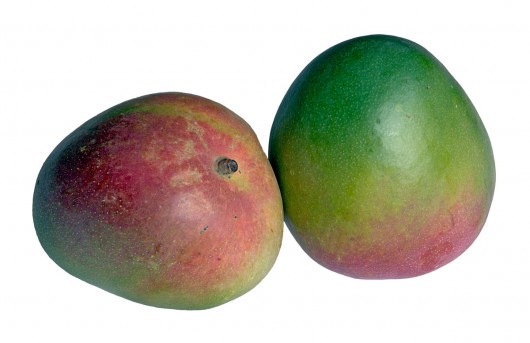
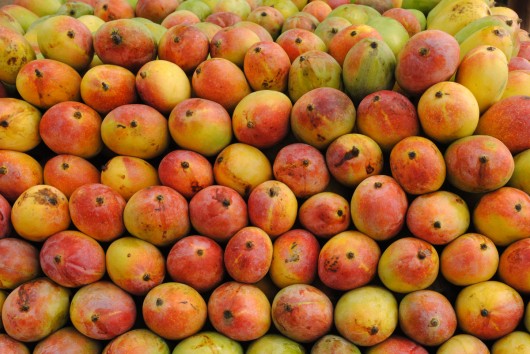
Health Benefits of Mangoes and Mango Juice

Everyone knows that fruit is an important component of a healthy diet. Mangoes and natural mango juice, in particular, are an understated fruit and juice because many people seem to still be simply practicing the “an apple a day keeps the doctor away” philosophy. Mangoes and mango juice are rich in various vitamins, nutrients and antioxidants. It’s important to avoid certain mango juice products that can be high in sugar and are not natural and consequently, aren’t all that healthy. Eating mangoes or drinking mango juice somewhat often can offer several advantages, beginning with essential vitamin and mineral consumption.

Mango and mango juice

Vitamins Found in Mangoes and Mango Juice

Mangoes and mango juice are bursting with Vitamin A and C, iron and potassium. Vitamin A is noted by medical professionals for its immense contribution to good vision. Vitamin C supports a healthy immune system. Both Vitamin A and C are classified as antioxidants among professionals, which have the potential to contribute to cancer prevention. Potassium also supports high energy and, according to doctors, can even help aid hypertension. Potassium also contributes to healthy heart function and the prevention of future heart issues. Iron is essential in maintaining a high energy level and a lack of iron can result in several dangerous health conditions (such as anemia). Mangoes and mango juice are overflowing with many vitamins and therefore have the ability to prevent you from obtaining a cold or infection and the potential to ward off certain types of cancers.

Even More Health Benefits Connected to Mangoes and Mango Juice

A recent study conducted by the Medical Daily Reporter showed that mangoes have “digestive enzymes” that can assist in proper digestion and soothe an upset stomach and therefore associated stomach aches and pains. Mangoes are also full of fiber. Adequate amounts of fiber ingested guides the body down the path of healthy digestion and normal bowel movements(relief from stubborn constipation or diarrhea). This website shows that mangoes have the power to help with memory and to refresh and rejuvenate skin. This means that mangoes and mango juice can deeply cleanse your pores and possibly lead to radiant, acne free skin.

Mangoes also provide sufficient amounts of folic acid, an imperative item in maintaining a healthy pregnancy free of complications. Mangoes are also noted for promoting healthy blood flow. Mangoes and mango juice even have the ability to decrease heavy, uncomfortable blood flow for women during menstruation. Another great advantage of mangoes is their low caloric content. You can get feel fully content after eating a healthy meal or snack, including mangoes, while still sticking to a low calorie diet.

Health benefits of mango juice

Eating a Mango or Drinking Mango Juice After Exercising

It’s common knowledge that during a work-out, calories are burnt, energy is utilized and therefore nutrients are lost. Research has shown that mangoes are the perfect food for replenishing the body after a work out and regaining lost vitamins and nutrients. Some claim that mangoes and mango juice can eliminate body odor after a strenuous, sweaty workout.

Clearly, the advantages that go along with consuming mangoes or natural mango juice are undeniable. Mangoes and mango juice are tasty, sweet and quite healthy. They both provide remarkably nutritious benefits externally and internally. Maintaining or switching to a healthy lifestyle is totally feasible if you start with a simple step like eating a mango or drinking a glass of mango juice. Ultimately, with the copious amounts of health advantages attached, there’s no reason not to at least try making mangoes or natural mango juice an active part of your diet.

07 Feb

Health Benefits of Mulberry Juice

The health benefits of mulberries are numerous; mulberries have been used since ancient times as a way of curing a number of ailments, though the nutritional and health benefits of mulberries – and subsequently, mulberry juice – were widely unknown until much more recently. In the past, mulberries were used to help treat people that suffered from the cold and other health problems, including digestion issues. Today, mulberries are used to create juices that are healthful and beneficial to everyone that drinks them for more than simply curing the common cold and digestive problems.


Mulberry Juice Treats Anemia

Anemia is used to describe a low level of iron in a person’s body. Those with anemia often find that they are dizzy and experience heart palpitations and that they exhibit an unattractive pallor. Mulberry juice can help fight the symptoms of anemia because it is rich with nutrients such as vitamins and minerals. The juice in mulberries promotes the production of the correct body fluids, which includes iron. Consuming mulberries and/or mulberry juice regularly will help your body produce the correct amount of iron, which will reduce your anemic symptoms.
Mulberries have the highest choline content

Insomnia

Mulberry juice is one of the leading ways to cure insomnia. The fact that it helps the body produce all of the correct chemicals and body fluids means that your body needn’t work overtime to produce these fluids and sleep comes easier. Your body needs adequate levels of a number of chemicals in order to allow you to sleep well. If you suffer from insomnia and want to try mulberry juice as a cure for your inability to sleep you should; eating mulberries or drinking mulberry juice on a regular basis will have you noticing an improvement in your sleep patterns before too long.

Stomach Issues and the Benefits of Mulberry Juice

Because it is rich in antioxidants and vitamins, mulberry juice is helpful in treating and correcting a number of issues that people experience with their stomachs and digestive tracts. First and foremost, mulberry juice prevents constipation, which plagues so many people. It also enhances the appetite, which encourages people to eat a healthier and better diet, not allowing them to skip a meal which is horrible for the health. Mulberry juice is also a good way to improve digestion, which means far less issues with your stomach. In some cases, it has been known to cure hepatitis and gastritis, both of which are diseases that are difficult for sufferers.

Anti-Aging Abilities

Anthocyanins and resveratrol are active constituents that are found in mulberries. The constituent resveratrol is widely known as “the fountain of youth” because it has numerous anti-aging benefits. In addition, it also contains anti-cancer agents and body cleansing agents. Mulberry juice is thought by experts to have the ability to prolong the onset of wrinkles in the skin and the appearance of grey hair. The other active constituent found in mulberry juice, anthocyanins, contains a vast array of antioxidants that have health benefits of their own. For example, some of the antioxidants found in mulberry juice have the ability to cure a number of ailments, which is the reason why in ancient times they were used to treat colds and digestive issues. The antioxidants found in mulberries have an absorbency rate that takes much longer than the rate of juice from other fruits, which is why it is so effective with its anti-aging abilities. Mulberry juice works to fight aging whether the signs of aging have already started or not.If you already have wrinkles and are noticing grey hairs starting to show you can start drinking mulberry juice immediately to slow the process. If you are still young and think you have years before the signs of aging start to affect you, start drinking mulberry juice now. That way you will have even more years to enjoy your youthful appearance before age begins to show.

03 Feb

What Are Antioxidants?

Most people have heard of antioxidants and their relationship to free radicals but what exactly is it all about? Where do antioxidants come from? How do they benefit us? And can there be such a thing as too many antioxidants?

What are antioxidants?

An antioxidant, as its name implies, is a molecule that counteracts the process of oxidation in animal tissue. Antioxidants can either be nutrients such as vitamins and minerals, or enzymes, proteins occurring naturally in the body to aid with chemical processes.

How are they formed?

Some antioxidants occur naturally within the body, whilst others need to be ingested. Those that occur naturally include lipoic acid, and CoQ10. However, levels of these declines as we age, so supplements are often needed.

The most common antioxidants are Vitamins A, C and E. As our bodies cannot manufacture these vitamins themselves, they have to be acquired through diet and/or supplements.

How and why do they affect our bodies?

Our bodies are remarkable in that millions of processes are occurring at any one time. In order for these processes to happen, the body needs oxygen as a power source. Unfortunately, these processes cause a powerful and destructive side effect in the form of oxidants, which are better known as free radicals. Antioxidants protect cells from the damaging effects of free radicals.

Free radicals are highly unstable molecules that are formed as a by-product of our body’s natural metabolism. They are also a result of environmental factors such as sun exposure, smoking, pollution, and radiation. The same process of oxidation that causes rust, breaking down and weakening metal, occurs in our bodies, producing free radicals.

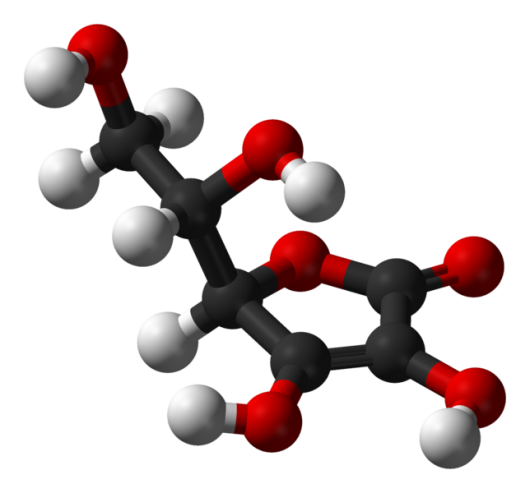
Antioxidant - Vitamin C

How do antioxidants fight free radicals?

Free radicals are thought to be the cause of degradation within our bodies, leading to premature ageing, heart disease, and cancer. Because free radicals are so unstable, they attack molecules in our body, causing a chain reaction which makes that molecule become a free radical also, leading to the eventual death of a cell.

Antioxidants work by attaching themselves to free radicals without becoming a free radical themselves, and so breaking the chain reaction. Antioxidants instead neutralize the free radical by either donating or receiving an electron. Once complete, the process stop cellular damage before it starts.

However, as soon as an antioxidant neutralizes a free radical, it becomes inactive itself. Because of this, it’s important to maintain a good supply of antioxidants.

Different antioxidants

There are several types of antioxidants, all of which hold a unique function:

• Vitamin A and beta-carotene – these water soluble vitamins are thought to be the best neutralizer of an uncharged form of oxygen that is very toxic to cells.

• Vitamin C is another water soluble vitamin that works alongside vitamin E to hunt and neutralize free radicals within the more watery environments in the body, and especially within cells themselves.

• Vitamin E – unlike vitamins A and C, vitamin E is fat soluble, which means it can only dissolve in fat. Because of this, Vitamin E protects cell membranes from damage by free radicals. It is also of particular benefit to cholesterol levels by protecting oxidation from occurring within LDLs, or ‘bad’ cholesterol.

• Selenium, manganese and zinc. These minerals are trace elements our bodies need to survive, and are our primary line of defense when it comes to destroying free radicals.

• CoEnzyme Q10, uric acid, and phytochemicals. These are extra nutrients that have antioxidant properties, protecting the body from free radicals.

So what are the most common sources of antioxidants?

OrangesAntioxidants are found in abundance in fruit and vegetables, as well as grains and beans. Fruit and vegetables in particular, are so recognized in the fight against free radicals, that health and food departments globally now recommend that people eat five portions of fruit and vegetables everyday as part of the fight against cancer.


As mentioned before, our bodies cannot manufacture most forms of antioxidants, and even those we can make ourselves are reduced as we age. Therefore, it’s important to know how to increase our intake of these compounds and thus reduce the risk of free radical damage as much as possible.

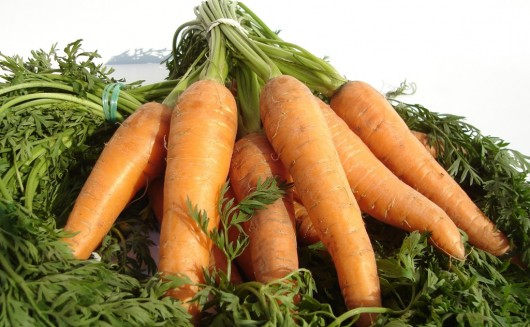
Vitamin A is found in carrots, sweet potatoes, yams, kale, peaches and apricots.

Vitamin C is particularly abundant in citrus fruits including oranges, lemons, lime and grapefruit. It is also found in high quantities in green leafy vegetables.

Vitamin E can be found mostly in whole grain, nuts and seeds.

Selenium is found in large quantities in fish, grains, eggs and red meat.

Phytochemicals are found in purple grapes and red wine, and are also in large amounts in tea.

Carrots

Is it possible to have too many antioxidants?

As with most things, it is possible to have too much antioxidants – too much of a good thing. Studies have shown that problems can arise if one nutrient is excessively high, for example, excess levels of beta-carotene can turn the skin orange.

29 Jan

Which Fruit Has The Most Pyridoxine (Vitamin B6)?

Pyridoxine (Vitamin B6)

Pyridoxine is the most common of the seven forms of vitamin B6. In supplement form, the vitamin is water-soluble and can be found in many foods we eat. It is a member of the key family of vitamins, B-complex. The many benefits of these key vitamins affect crucial body systems.

The Role Of Pyridoxine (Vitamin B6) In Our Body

Together with B12, B6 creates red blood cells and other cells necessary in the immune system.

While vitamin B6 deficiency is rare, when it does occur symptoms include muscle weakness, nervousness and irritability. Severe deficiencies can result in short term memory loss and inability to concentrate on simple tasks.

B complex vitamins all work to help our bodies metabolize fat and protein. B6 is also highly involved in aiding nervous system function and contribute greatly to healthy hair, skin and eyes.

Since water-soluble vitamins aren’t stored in the body, daily intake is important to keep enough B6 in the system for good health. Of particular interest is a recent study that suggests people with heart disease do not get enough B6 in their diet. While the direct correlation is still unknown, doctors suggest making sure to get enough B6 for heart health. A large study has shown that 500mg of B6 with 1000mg of B12 taken daily significantly reduces the risk of age related macular degeneration, a condition that leads to blindness.

B6 also helps the body produce serotonin, an important key in depression prevention. Another amazing function of B6 is the ability to reduce inflammation. This ability benefits many sufferers of rheumatoid arthritis and carpel tunnel syndrome.

There can be too much of a good thing. At very high dosages of B6, side effects can include skin rash, nausea, abdominal pain, imbalance and numbness of legs and toes. The good news is that by ceasing excessive use, typically all side effects will fade within 6 months time.

Banana

Top Fruits For Pyridoxine (Vitamin B6) Content

The amounts of Pyridoxine (Vitamin B6) are given for 100g of each fruit.

1 Banana 0,37 mg
2 Jackfruit 0,33 mg
3 Durian 0,32 mg
4 Blackberry 0,30 mg
5 Carrot 0,14 mg
6 Mango 0,13 mg
7 Fig 0,11 mg
8 Pineapple 0,11 mg
9 Guava 0,11 mg
10 Kiwi 0,10 mg
11 Lychee 0,10 mg
12 Passion Fruit 0,10 mg
13 Cranberry 0,10 mg
14 Grape 0,09 mg
15 Lemon 0,08 mg
16 Tomato 0,08 mg
17 Tangerine 0,08 mg
18 Pomegranate 0,08 mg
19 Melon (Cantaloupe) 0,07 mg
20 Redcurrant 0,07 mg
21 Blackcurrant 0,07 mg
22 Pumpkin 0,06 mg
23 Orange 0,06 mg
24 Raspberry 0,06 mg
25 Apricot 0,05 mg
26 Grapefruit 0,05 mg
27 Blueberry 0,05 mg
28 Mulberry 0,05 mg
29 Cherry (sweet) 0,05 mg
30 Watermelon 0,05 mg
31 Apple 0,04 mg
32 Mangosteen 0,04 mg
33 Cucumber 0,04 mg
34 Plum 0,03 mg
35 Pear 0,03 mg
36 Peach 0,03 mg
37 Papaya 0,02 mg

26 Jan

Which Fruit Has The Most Vitamin K?

Vitamin K

Vitamin K is a group of vitamins that are stored in the body’s fat and liver. Discovered in 1929 by a Danish scientist, two natural forms of vitamin K exist, vitamin K1 and vitamin K2. Our bodies use vitamin K in blood coagulation and bone metabolism. A vitamin K deficiency is rare, although some medications, such as antibiotics, can suppress vitamin K temporarily. Newborn babies receive vitamin K injections as a preventative action against bleeding. Besides getting vitamin K in food, the human gut also makes vitamin K, which is why vitamin K deficiencies are rare.

Vitamin K’s Role in Human Health

Vitamin K’s role in human health is to prevent excessive bleeding. Vitamin K also uses calcium to build strong bones, reducing the risk of bone fractures. People with high levels of vitamin K have thicker, stronger bones than those with lower levels of the vitamin. People with excessive bleeding, easy bruising or showing signs of bone weakening should eat fruits and vegetables rich in vitamin K, such as grapes, avocados, kiwis, blueberries and dark-green leafy vegetables like spinach and kale.

Eating fruits and vegetables with lots of vitamin K will allow blood to clot, help prevent postmenopausal bone density loss and bone fractures and protect the body’s arteries from calcification. Some research has revealed that vitamin K may also protect against prostate and liver cancers. People taking certain medications, including antibiotics, cholesterol-lowering drugs, seizure drugs and weight loss drugs should consult with medical professionals before taking vitamin K supplements or eating vitamin K-rich foods. Possible interactions between vitamin K and the above medications can occur.

Taking too much vitamin K is usually not a problem as there is no known toxicity with vitamin K. Large doses of the vitamin, however, may cause tingling in the hands or feet as well as numbness.

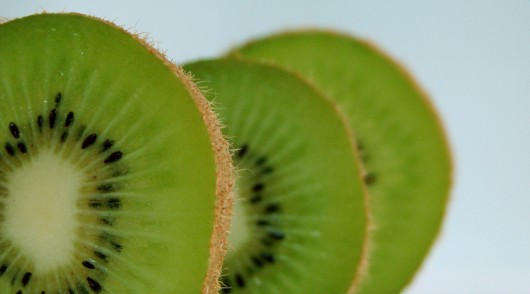
Health benefits of kiwi fruit

Top Fruits For Vitamin K Content

The amounts of Vitamin K are given for 100g of each fruit.

1 Kiwi 40,30 mcg
2 Blackberry 19,80 mcg
3 Blueberry 19,30 mcg
4 Cucumber 16,40 mcg
5 Pomegranate 16,40 mcg
6 Grape 14,60 mcg
7 Redcurrant 11,00 mcg
8 Carrot 9,40 mcg
9 Tomato 7,90 mcg
10 Mulberry 7,80 mcg
11 Raspberry 7,80 mcg
12 Plum 6,40 mcg
13 Cranberry 5,10 mcg
14 Fig 4,70 mcg
15 Pear 4,50 mcg
16 Mango 4,20 mcg
17 Apricot 3,30 mcg
18 Papaya 2,60 mcg
19 Peach 2,60 mcg
20 Guava 2,60 mcg
21 Melon (Cantaloupe) 2,50 mcg
22 Strawberry 2,20 mcg
23 Apple 2,20 mcg
24 Cherry (sweet) 2,10 mcg
25 Pumpkin 1,10 mcg
26 Pineapple 0,70 mcg
27 Lime 0,60 mcg
28 Banana 0,50 mcg
29 Lychee 0,40 mcg
30 Passion Fruit 0,40 mcg
31 Watermelon 0,10 mcg
32 Jackfruit 0,00 mcg
33 Orange 0,00 mcg
34 Lemon 0,00 mcg
35 Elderberry 0,00 mcg
36 Grapefruit 0,00 mcg
37 Gooseberry 0,00 mcg
38 Tangerine 0,00 mcg
39 Blackcurrant 0,00 mcg
40 Mangosteen 0,00 mcg
41 Durian 0,00 mcg